
FEC updates its litigation docket with fresh appellate activity in a gun-policy campaign case
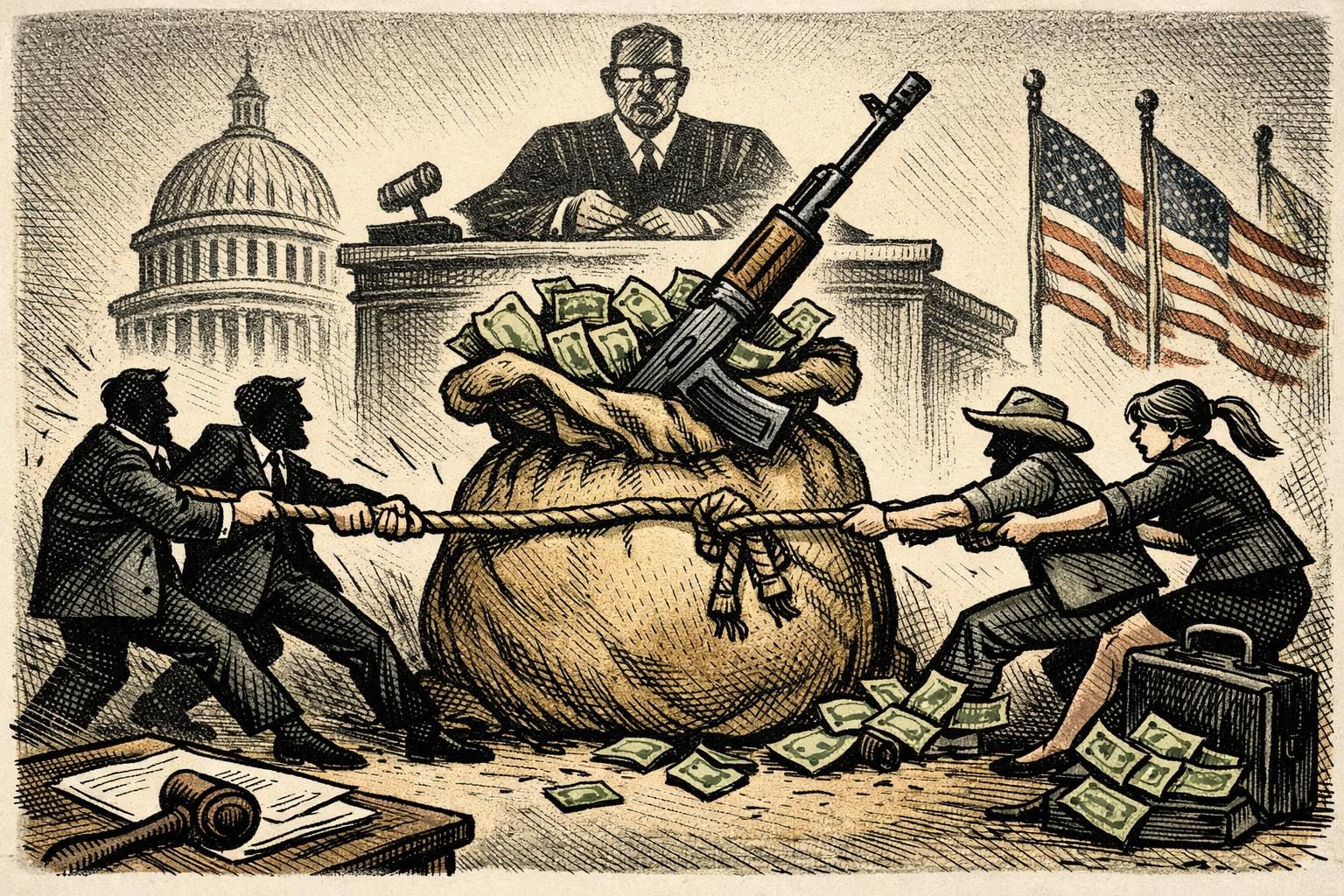
The Federal Election Commission’s legal update feed added a fresh appellate development on September 28 in Giffords v. FEC, keeping a long-running campaign-finance dispute in the active litigation pile rather than letting it fade into the background. The case has already spent years moving through the system, and the latest docket note shows that it is still producing new procedural movement. At the center of the fight is a familiar but stubborn question: how much force does federal campaign-finance law actually have when enforcement depends on a commission that can stall, split, or simply fail to act? The commission’s update ties the matter back to its live court-case tracker, which means this is not merely a historical reference point but an ongoing item on the agency’s legal calendar. In practical terms, that matters because every new appellate step can affect how the underlying complaint process is understood by lawyers, regulated groups, and reform advocates. Even a narrow docket update can signal whether the courts are still willing to press the FEC or whether the agency continues to enjoy wide room to delay.
The latest note, according to the commission’s case page, references the D.C. Circuit’s dismissal of the NRA side’s appeal and folds that development back into the active record for the dispute. That keeps the litigation alive as a current matter, even if the underlying controversy is rooted in older enforcement questions. The case has long sat at the intersection of campaign finance, administrative procedure, and political pressure, which helps explain why it remains a useful test of the agency’s willingness to police its own rules. When administrative complaints linger, the issue is not just whether a particular filer gets relief, but whether the entire enforcement mechanism has enough credibility to function as a real deterrent. If the process becomes too slow or too forgiving, critics argue, the law starts to resemble a statement of values rather than an operational standard. That is the broader concern hovering over this case and over the FEC’s handling of similar disputes. The commission’s own public litigation feed, by keeping the case visible, underscores that the dispute still has consequences beyond the parties directly named in it.
The political stakes are easy to see because the case sits in a familiar triangle of tension among gun groups, campaign watchdogs, and the commission itself. Each of those actors has a different theory of what the law should do and how hard the agency should push when violations are alleged. Gun-rights organizations tend to view aggressive enforcement as an attempt to weaponize campaign rules against their side, while reform advocates see weak enforcement as proof that the agency is structurally hesitant to do its job. The FEC lands in the middle, but “middle” in this context often means deadlock, delay, or a legal posture that leaves everybody dissatisfied. That is why a seemingly technical appellate update can still matter: it keeps the question of agency effectiveness in circulation. For supporters of tougher enforcement, every new court development is a reminder that the complaint process still has to prove it can deliver more than paperwork. For opponents, the same development can look like another example of an overextended legal regime continuing to generate litigation without resolving the underlying conflict. Either way, the case remains a live proxy fight over how much bite campaign-finance law should have in the real world.
What makes this update notable is not that it produces a dramatic substantive ruling, but that it confirms the dispute is still being actively managed within the courts and the commission’s own reporting system. Slow-moving cases can be easy to ignore until a new filing or appellate action suddenly reveals that the legal machinery is still turning. That is especially true in campaign-finance disputes, where the passage of time can blunt the practical effect of enforcement even if the legal question remains open. A live docket entry means the case continues to shape expectations for future complaints, future appeals, and future arguments about the agency’s obligations. It also keeps pressure on the broader question of whether the FEC can serve as a meaningful regulator when its decisions are often filtered through internal disagreement and prolonged review. The immediate update may be procedural, but procedural developments matter when the underlying complaint is about whether process itself has become the obstacle. In that sense, the story is less about a single legal turn than about the ongoing test of whether federal election rules are enforced as rules or merely recorded as aspirations. That test is still unresolved, and the commission’s September 28 update makes clear that the dispute is still very much in motion.
Comments
Threaded replies, voting, and reports are live. New users still go through screening on their first approved comments.
Log in to comment
No comments yet. Be the first reasonably on-topic person here.