
Trump’s Russia sanctions waiver draws fresh scrutiny
Permanent article number: 102326006 Find another article by number
Evidence and accountability
Accountable person, organization or policy: President Donald Trump
Documented issue under review: Used a statutory waiver to delay new Russia sanctions and tariffs, undercutting the intended immediacy of a Republican-backed pressure campaign on Moscow.
This report has an independent editorial fact-audit recorded in the archive. Check the linked source documents below for the underlying evidence; where a case remains pending, allegations are not findings.
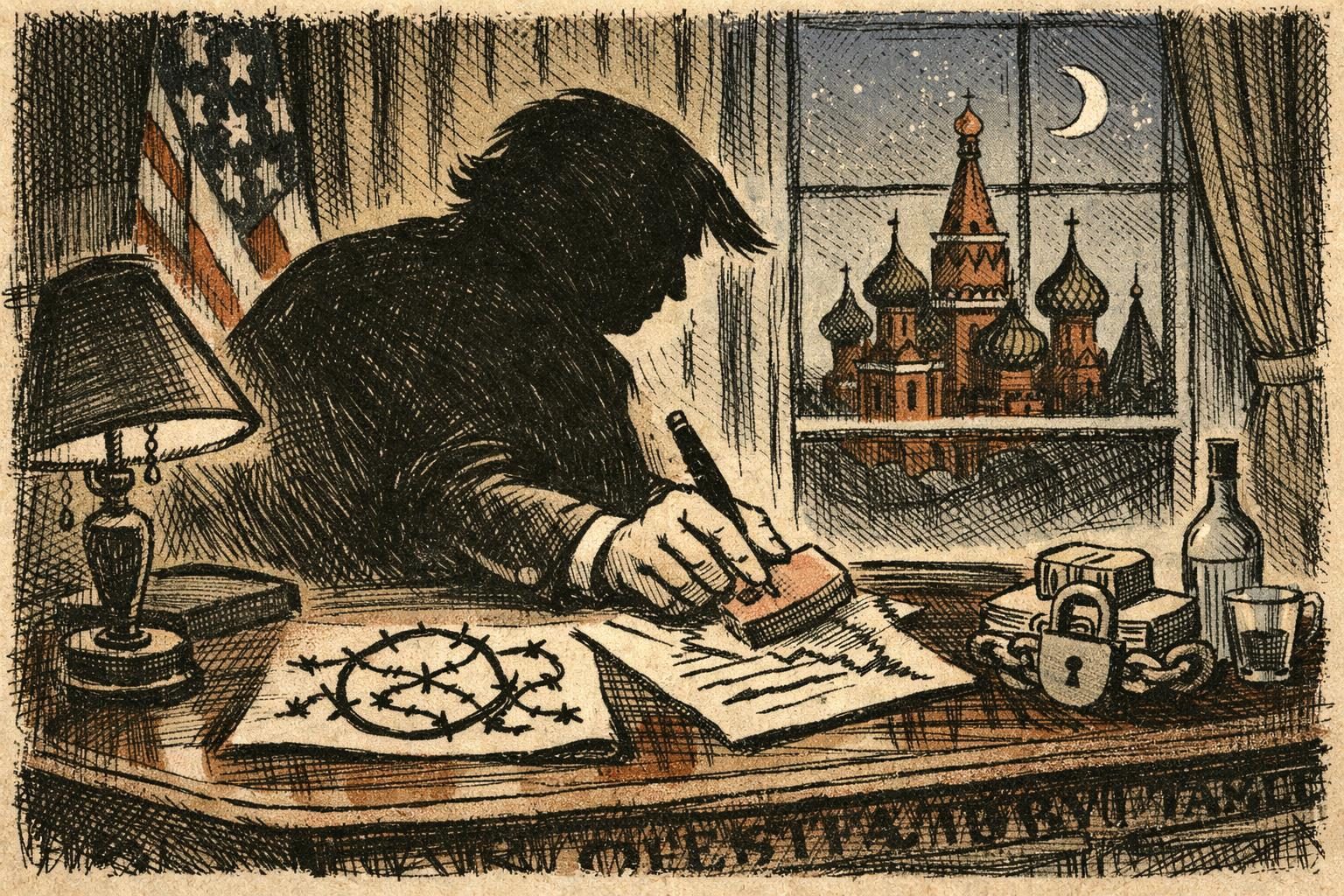
President Donald Trump’s decision to waive new sanctions and tariffs tied to Russia has reopened an uncomfortable question in Washington: whether the administration is genuinely tightening pressure on Moscow or simply buying time. The order, issued late at night as the penalties were set to take effect, did not repeal the sanctions regime or reject Congress’s intent outright. Instead, it used a legal mechanism available to the president to pause or delay implementation, turning a moment that was supposed to show firmness into one that now invites scrutiny. For supporters of tougher action against Russia, the timing alone is hard to dismiss. A measure designed to increase leverage over the Kremlin was effectively put on hold at the moment it was supposed to bite.
The clearest paper trail comes from the government itself. The White House’s October 16 certification invoked waiver authority under the Graham sanctions law and stated that the pause was in the national interest. That filing matters because it confirms this was not an informal hesitation or a bureaucratic accident; it was an intentional policy choice made through the tools the administration had at hand. The executive order and certification together show that the administration recognized the sanctions and tariffs were due to begin, then opted not to let them fully kick in. That distinction is important, because it means the argument is not about whether the law existed or whether Congress had acted. The real question is whether the president’s use of discretion undercut the purpose of the statute at the very moment it was supposed to demonstrate resolve. In foreign policy, especially on issues involving Russia, the difference between a delayed sanction and an enforced sanction can shape how allies, adversaries, and lawmakers read the administration’s intentions.
Reporting this week added another layer to the controversy. Reuters, in reporting carried by MarketScreener, described the move as a hold on implementation and said Marco Rubio and other administration officials argued that more time was needed to assess the situation. That explanation presents the waiver as a procedural buffer rather than a substantive retreat, suggesting the White House wanted flexibility before letting the sanctions machinery run at full strength. But critics say that reading clashes with both the urgency built into the sanctions package and the broader political context surrounding Trump’s approach to Russia. The law was enacted to deliver pressure, not to create a long review period, and the fact that the administration immediately reached for a delay has fueled suspicion among lawmakers and foreign policy hawks alike. For them, the issue is not simply whether the White House can legally pause the penalties. It is whether the administration is using that authority in a way that effectively blunts Congress’s intent while preserving the appearance of toughness. The public defense from Rubio and other officials may help explain the mechanics, but it has not settled the larger political argument over why the pause was needed right then.
That is why the story has become an accountability test rather than a routine policy dispute. The administration’s defenders can point to the law itself, which appears to give the president waiver authority, and to the certification showing that the White House followed the formal process. Those facts matter because they distinguish this case from an obvious legal violation or a hidden end-run around Congress. But legality is not the whole story. The issue now is whether Trump is honoring the spirit of the sanctions package or merely using statutory discretion to slow-walk a response that Congress intended to be automatic and forceful. For Ukraine supporters, and for Republicans who wanted immediate enforcement, the practical effect is what counts: Russia gets relief from new pressure, and the administration gets more time. That may be defensible as a matter of judgment, but it also means the White House has chosen to soften the immediate impact of a measure that had been sold as a firm response to Moscow. The result is a familiar pattern in Trump-era Russia policy: strong rhetoric paired with a move that leaves room for delay. Whether the pause reflects strategy, caution, or political calculation remains unclear. What is clear is that the waiver has revived doubts about how serious the administration is willing to be when it comes to imposing costs on Russia, and those doubts are likely to persist until the White House explains why the delay was worth the geopolitical price.
Comments
Read the discussion freely. Posting and voting require a verified member account. Every comment and reply is screened by AI before publication. Clear spam and abuse are blocked; only strongly cleared comments publish automatically, while uncertain drafts wait for moderator review. Civil factual disagreement alone is not grounds for rejection.
Log in to comment or join free to take part.
No comments yet. Be the first reasonably on-topic person here.