
Trump waives key Russia sanctions after signing law, prompting GOP criticism
Permanent article number: 102326007 Find another article by number
Evidence and accountability
Accountable person, organization or policy: Trump administration
Documented issue under review: Held back most of Congress-approved new Russia sanctions and eased Russian diesel restrictions, drawing Republican criticism that the pressure campaign on Moscow is being unwound.
This report has an independent editorial fact-audit recorded in the archive. Check the linked source documents below for the underlying evidence; where a case remains pending, allegations are not findings.
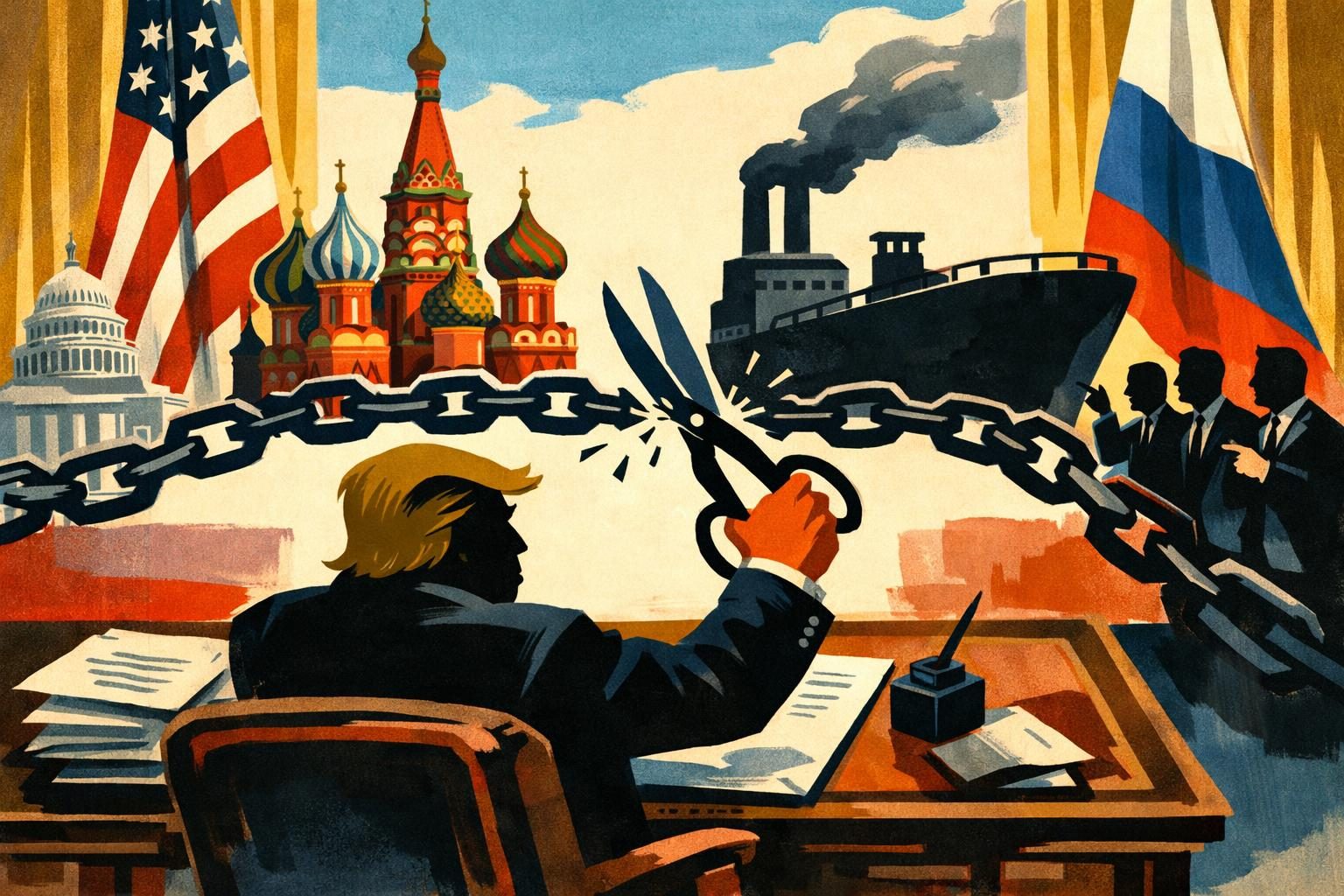
The Trump administration has moved to soften a Russia sanctions package that Congress had just enacted, issuing a White House order on October 16, 2026, that invoked statutory waiver authority to suspend major sanctions and tariff provisions in the Lindsey O. Graham Sanctioning Russia and Iran Act of 2026. Treasury had already taken a separate step on October 9, authorizing Russian-origin diesel fuel transactions through General License 135. Together, those actions turned what had been billed as a new pressure campaign on Moscow into a more limited and flexible policy than many lawmakers expected.
The timing matters. President Trump signed the sanctions law on September 18, 2026, but the administration did not simply wait to implement it in full. Instead, it used the waiver authority built into the law and then separately eased diesel-related restrictions. That sequence prompted criticism from Republican senators and other supporters of the bill, who said the White House was undercutting the leverage Congress had just created.
The administration can argue that waiver authority was part of the statute and that easing selected restrictions preserves room for diplomacy. But the political fallout is real, especially because the pushback is coming from Republicans who helped move the legislation. Their complaint is not that sanctions existed only on paper; it is that the executive branch chose to narrow them almost immediately after enactment.
That makes this less a question of whether Congress approved tougher measures than of how aggressively the White House chose to carry them out. On the current record, the administration has not abandoned the sanctions law altogether, but it has clearly opted for a narrower, waiver-heavy version of enforcement that critics say weakens the intended pressure on Russia.
Comments
Read the discussion freely. Posting and voting require a verified member account. Every comment and reply is screened by AI before publication. Clear spam and abuse are blocked; only strongly cleared comments publish automatically, while uncertain drafts wait for moderator review. Civil factual disagreement alone is not grounds for rejection.
Log in to comment or join free to take part.
No comments yet. Be the first reasonably on-topic person here.