
Federal prosecutors unveil a Georgia election-integrity plan for the general election
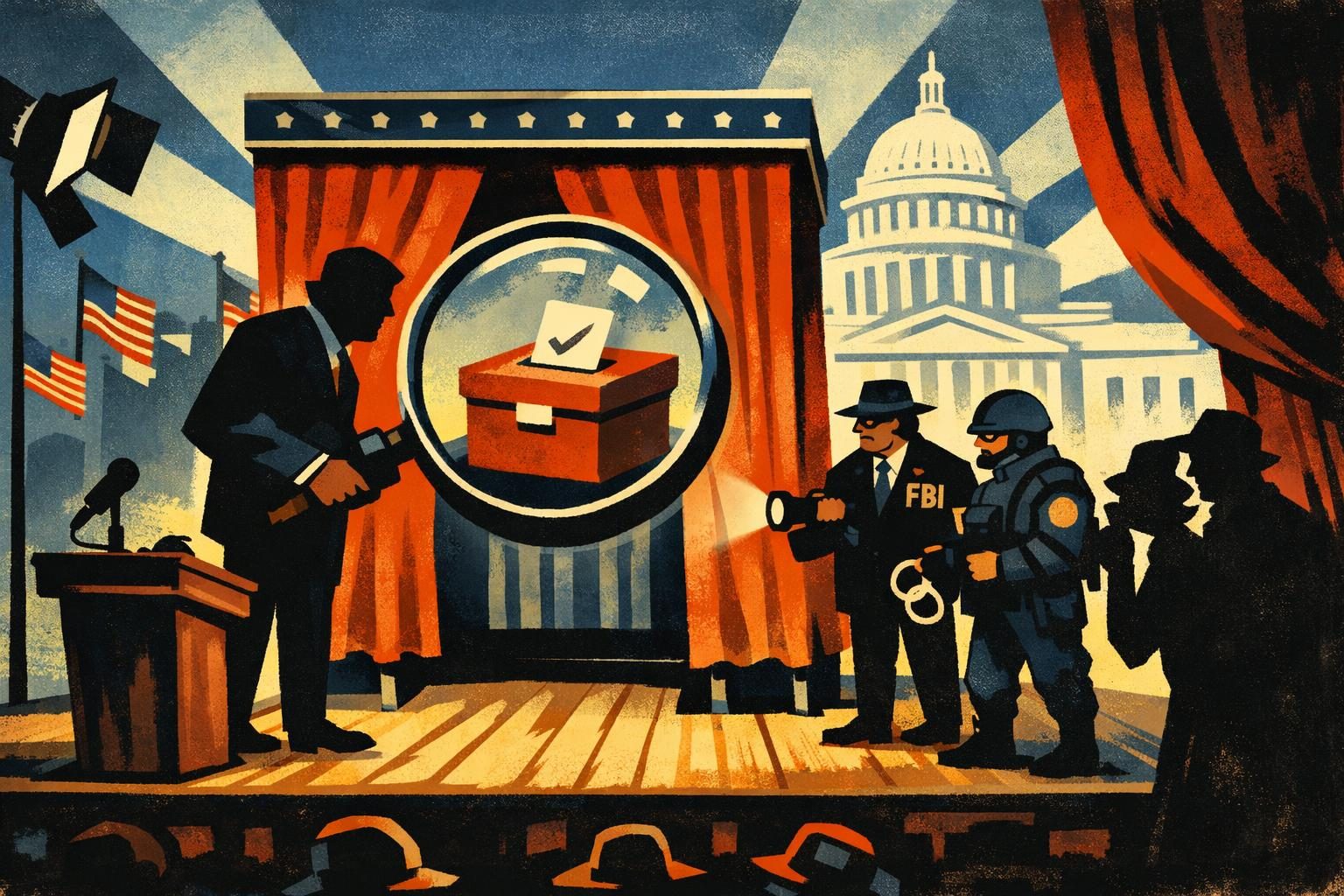
Federal prosecutors in Georgia have put their own marker on the 2026 election calendar, announcing an election-integrity plan that will cover both the general election and early voting. The U.S. Attorney’s Office framed the move as a standard preventive measure, but the timing gives it more weight than a routine administrative notice would normally carry. On its face, the plan is about protecting the voting process, deterring misconduct, and assuring the public that federal authorities are ready to respond if problems arise. In practice, it also sends a message: the Justice Department wants to be seen as present, attentive, and prepared before Election Day pressure begins to build. That visibility is part of the point, and in the current political climate, it is hard to separate the substance of the announcement from the signal it is meant to send.
The Georgia rollout did not happen in isolation. It landed the same day the Justice Department amplified election-related enforcement themes elsewhere, including a separate push in California tied to alleged noncitizen voting. Taken together, those actions suggest a broader departmental strategy that leans heavily on public-facing election-security messaging in the run-up to the vote. The pattern matters because it shows the administration is not waiting for a high-profile dispute to force its hand. Instead, it is trying to define the terms of the debate in advance, casting federal prosecutors as visible guardians of election integrity before any major controversy has fully developed. That can be read as reassurance, especially for voters who want to know someone is paying attention. But it can also be read as preemptive escalation, especially if the public hears more about enforcement theater than about concrete safeguards.
That tension is what makes the Georgia plan more than a simple procedural update. Federal prosecutors do have an important role to play if there are genuine threats, such as intimidation, interference, fraud, or other unlawful conduct that could undermine an election. They can also help coordinate with state and local officials when a fast response is needed, particularly if questions arise about access, misinformation, or interference near polling places. Yet federal involvement in election administration is always delicate, because the voting system is still primarily run by states and local jurisdictions. A broad federal announcement can reassure some people while making others wonder whether the government is trying to cast a shadow over ordinary election operations. That is the central tradeoff here: the same visibility that may deter misconduct can also create a cloud of suspicion around lawful activity, especially if the messaging is heavier than the evidence behind it.
For that reason, the details of how the plan is carried out will matter more than the announcement itself. If the office uses the plan to improve coordination, clarify reporting channels, and make sure local election workers understand where to turn if there is a real problem, it could serve a useful purpose. If it mostly becomes a communications exercise designed to show toughness, it may do little beyond adding another layer of federal branding to a state-run process that already comes with its own built-in complexity. The administration appears eager to demonstrate operational seriousness, and that is understandable given how much scrutiny elections now attract. But there is a thin line between preparedness and performance, and the farther a plan leans toward public messaging, the more vulnerable it becomes to criticism if the promised threat never materializes. For now, the Georgia announcement fits squarely within a broader federal posture that treats election security as an active priority rather than a background concern.
Even so, this development should be read with some caution. The announcement did not come with a specific enforcement action in Georgia, which keeps the severity lower than a case built around formal charges or a clear intervention. Still, it is a concrete institutional move on a current date, and it reveals how the administration wants federal prosecutors to be seen in the months leading up to the vote. That is not a small thing. In an election environment already crowded with claims, counterclaims, and heightened suspicion, the presence of federal authorities can either calm nerves or inflame them depending on how carefully they use that authority. The next test is whether the Justice Department can back up its visible posture with disciplined, measurable results that protect legitimate participation instead of chilling it. If the plan helps prevent actual wrongdoing, it will be justified. If it becomes mostly a warning shot wrapped in ceremony, it may end up reinforcing the very distrust it claims to prevent.
Comments
Threaded replies, voting, and reports are live. New users still go through screening on their first approved comments.
Log in to comment
No comments yet. Be the first reasonably on-topic person here.