
FTC releases new elder-fraud report, spotlighting the scale of scam losses
The Federal Trade Commission has put a fresh marker in the fight over elder fraud, sending Congress its annual report on the agency’s efforts to protect older adults while laying out just how large the underlying problem remains. The report describes a fraud landscape that keeps evolving faster than consumer safeguards can fully catch up, with scammers continuing to target older Americans through tech-support ploys, romance scams, government impersonation schemes, and other cons designed to exploit fear, confusion, and isolation. The commission says these tactics are not isolated nuisance cases but part of a broader fraud ecosystem that continues to produce serious losses. In that sense, the report is both a status update and a warning. It tells lawmakers and the public that the problem is still growing in ways that are hard to measure precisely and even harder to stop quickly.
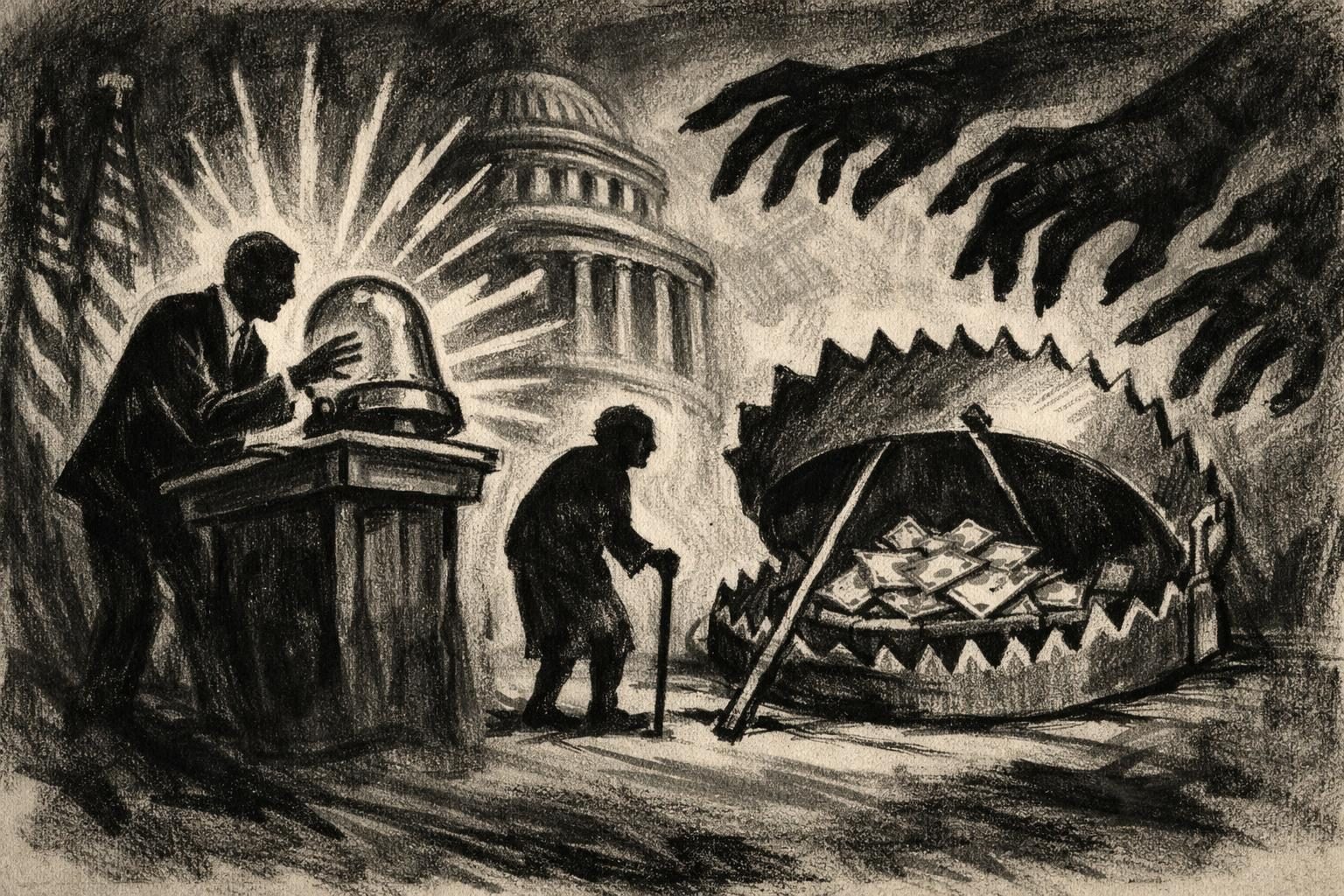
The most eye-catching number in the report is its estimate that older consumers could have lost as much as $119.5 billion to fraud in 2025. That figure is so large that it functions less like a statistic and more like an alarm bell, signaling a scam economy that has become deeply embedded in everyday life. The FTC is careful in the report to frame the number as an estimate rather than a final accounting, which matters because fraud losses are notoriously difficult to capture in full. Many victims never report what happened, some do not realize they were targeted until long after the money is gone, and others are too embarrassed or overwhelmed to come forward. Even with those caveats, the scale described by the agency suggests that consumer fraud is not a marginal issue sitting outside the main policy agenda. It is a massive drain on household wealth, and older adults remain among the most exposed.
That is why the report lands as more than routine paperwork. It is a formal acknowledgment from the agency that the fraud problem remains stubborn, adaptive, and capable of outpacing enforcement alone. The commission points to its own actions and education campaigns as part of the response, signaling that it wants to be seen as active rather than reactive. But the report also reads like a ledger of how much damage scammers can still inflict before regulators, banks, platforms, telecom companies, and other intermediaries can interrupt the chain. The underlying message is uncomfortable: every new round of public warnings and enforcement brings some pressure on bad actors, yet the fraud machine keeps finding new angles. For older Americans, that means the risks are not theoretical. They are immediate, recurring, and often designed to look legitimate until the money is already gone.
The political significance of the report is that it gives lawmakers another concrete basis for oversight and for questions about whether the current consumer-protection apparatus is strong enough. The FTC’s findings can be used to argue for more resources, sharper enforcement tools, and better coordination with the companies and systems that scammers exploit to move money and reach victims. That includes payment platforms, telecom providers, and digital services that can either slow scams down or make them easier to scale. It also puts pressure on policymakers to move beyond broad rhetoric about protecting seniors and toward measures that can actually reduce the volume of fraud reaching vulnerable people. The report does not claim victory, and it does not pretend the agency can solve the problem alone. What it does make clear is that the losses are still enormous, the scam tactics are still changing, and the fight against elder fraud is nowhere near finished.
Comments
Threaded replies, voting, and reports are live. New users still go through screening on their first approved comments.
Log in to comment
No comments yet. Be the first reasonably on-topic person here.