
SEC drops a fresh batch of enforcement actions and orders
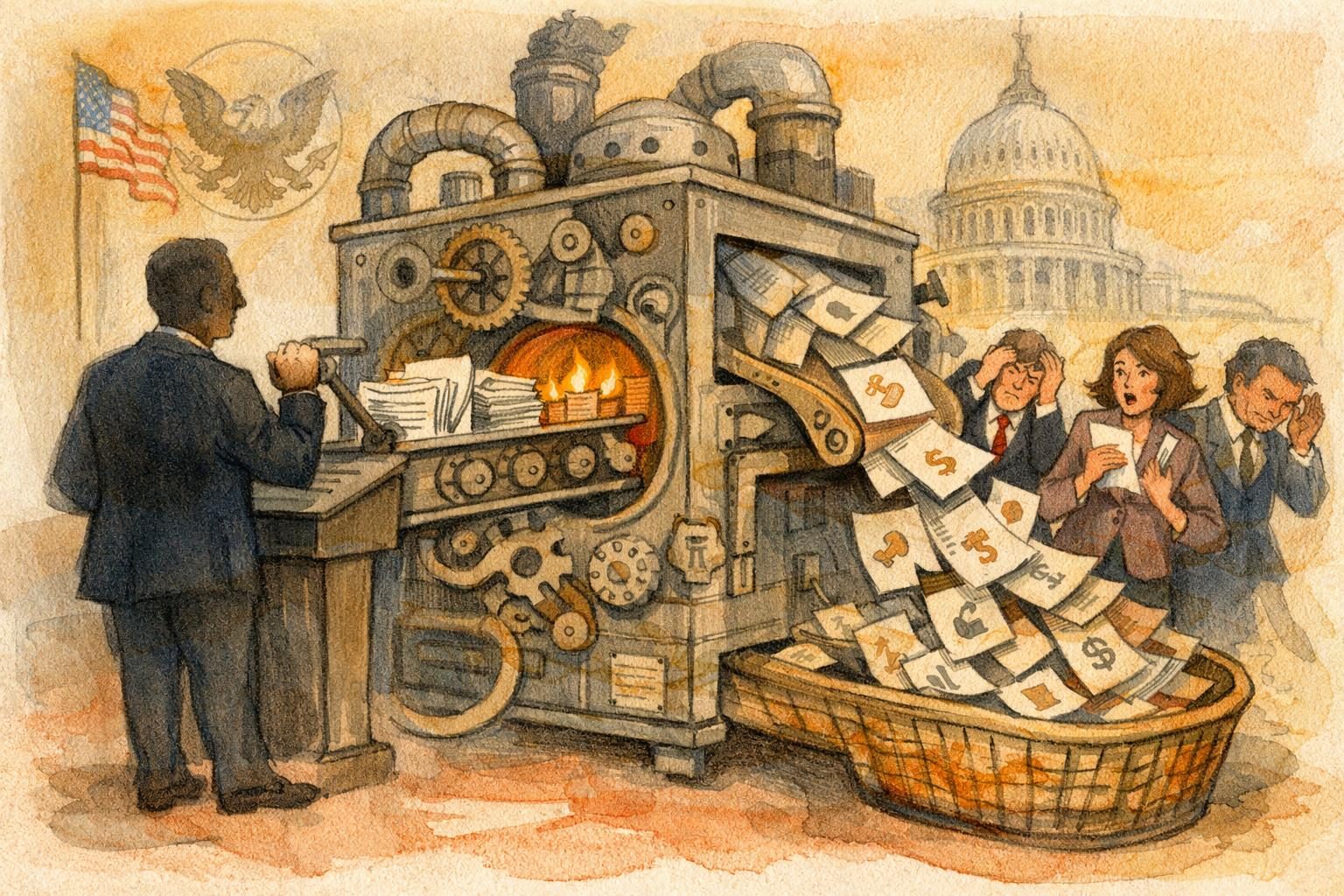
The Securities and Exchange Commission spent October 19 doing what it often does when the market is not watching closely: building a paper trail. On that date, the agency posted a fresh set of enforcement-related items, including a litigation release tied to Nihat Cardak, along with commission opinions and adjudicatory orders that added to an already active docket. None of these filings carried the dramatic, market-moving flash of a major insider-trading case or a headline-grabbing fraud complaint. But together they offered a useful snapshot of the agency’s day-to-day enforcement posture, which is often less about spectacle than about persistence. In a political environment where the loudest fights usually dominate attention, the SEC’s routine legal work can be easy to overlook even as it continues to shape behavior in the financial system.
The Cardak matter stood out as the most visibly advanced item in the batch. According to the SEC, the agency filed a consent and proposed final judgment in its civil enforcement action, a step that typically signals movement toward a formal resolution rather than indefinite litigation by inertia. That kind of filing matters because enforcement loses much of its bite if cases stall, fade, or linger without closure. A proposed final judgment does not by itself tell the whole story of the underlying allegations, and the public record in the release should be read carefully rather than stretched beyond what it says. Still, the procedural significance is plain enough: the agency is not merely opening files, it is continuing to push them toward conclusion. For regulators, that distinction is important because a credible enforcement program depends not only on bringing cases, but also on finishing them in a way that creates consequences that are visible to the market.
That broader point is what gives this batch of October 19 actions more meaning than the dry language might suggest. Commission orders and adjudicatory decisions may sound like bureaucratic housekeeping, yet they can carry real effects for the people and firms involved. They can shape employment prospects, limit professional participation, alter disclosure obligations, and impose reputational costs that linger long after the formal proceeding ends. They also help reinforce the idea that the securities laws are not merely aspirational statements about fair dealing, but rules with consequences attached. In that sense, each order contributes to the machinery that keeps the capital markets functioning on something closer to trust than wishful thinking. Even when the underlying conduct is not making a public splash, the agency is still sending a message that misconduct can lead to formal action and public documentation. That message can matter as much as any single headline because enforcement often works cumulatively, through repetition and precedent rather than one dramatic courtroom moment.
The political backdrop only sharpens that impression. Washington is a place where administrative priorities are frequently debated in broad ideological terms, and the SEC is no exception. Some voices inside and outside government regularly argue for lighter regulation, less aggressive enforcement, or a narrower view of the agency’s role. But the October 19 batch suggests that the enforcement arm remains operational and willing to use the tools available to it, regardless of the prevailing rhetorical climate. That does not necessarily mean the agency is pursuing every case with equal intensity, or that every matter tells the same story about priorities. It does mean that the basic institutional reflex—investigate, charge, negotiate, order, and close—has not gone dormant. In practice, that can be more important than any single policy speech because the continued issuance of orders and litigation releases is how regulatory authority becomes tangible. The SEC may not dominate the daily political conversation, but it remains capable of imposing real consequences through ordinary legal process.
There is also a larger institutional story embedded in this kind of weekday enforcement activity. Agencies are often judged by the dramatic cases that make the front page, but their credibility is built just as much through the consistent handling of routine matters. Investors, lawyers, corporate officers, and compliance teams pay attention not only to the biggest headlines but also to the rhythm of filings and orders that reveal whether the enforcement program is active or asleep. The October 19 docket suggests activity, not drift, and that is the key takeaway. It shows a regulator still performing one of its most basic jobs: putting names, allegations, and resolutions on the public record. That may not be the stuff of political theater, but it is part of the quiet infrastructure that supports market discipline. And in a moment when the federal government often looks consumed by larger partisan battles, the SEC’s work is a reminder that some parts of the state still operate in a more mundane but consequential register. The agency’s latest filings do not settle every question about its direction, but they do show an enforcement apparatus that is still in motion and still willing to make its actions visible.
Comments
Threaded replies, voting, and reports are live. New users still go through screening on their first approved comments.
Log in to comment
No comments yet. Be the first reasonably on-topic person here.