
Justice Department and EEOC land a $5 million citizenship-discrimination settlement with Instacart
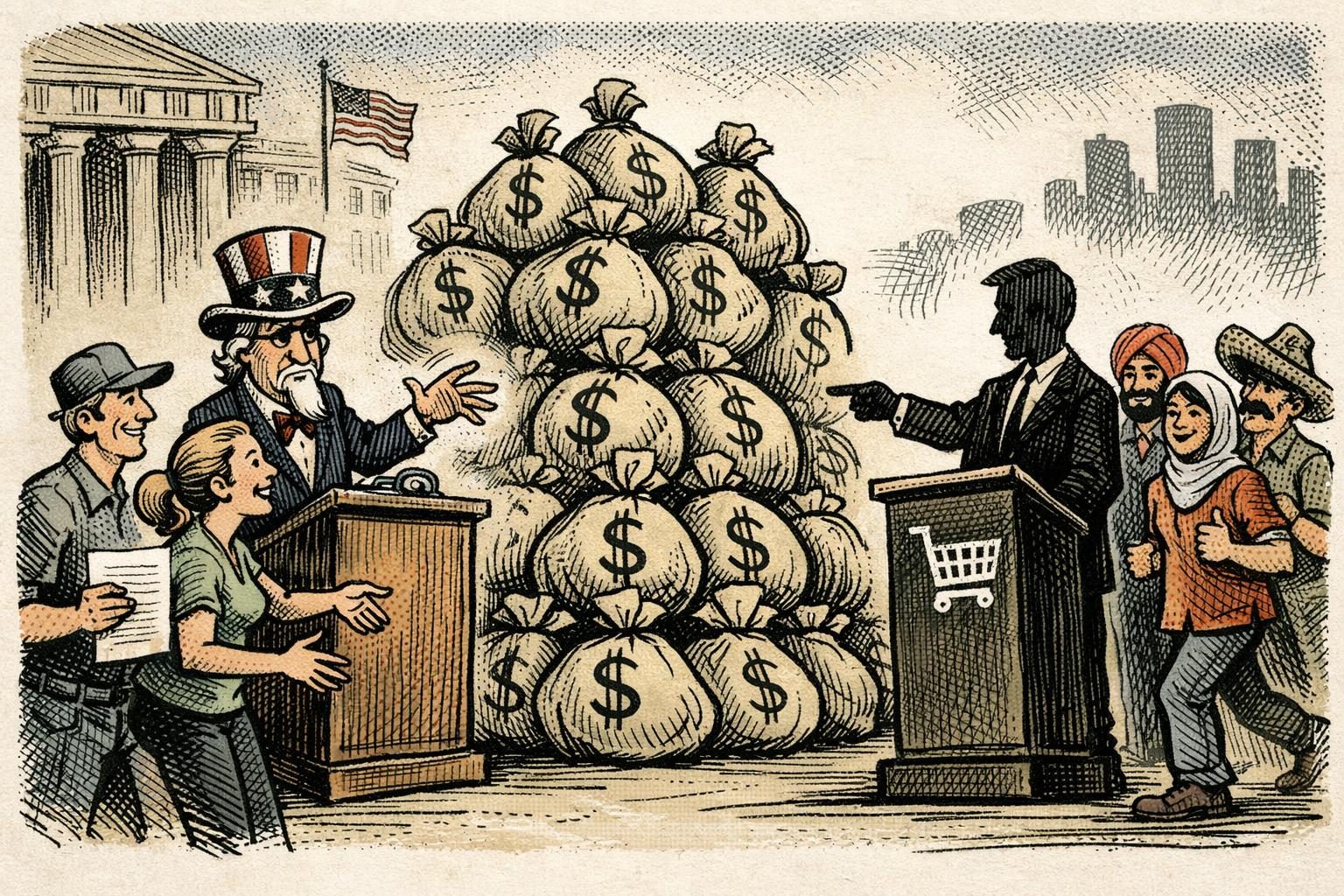
The Justice Department and the Equal Employment Opportunity Commission said Monday that Maplebear Inc., the company that operates as Instacart, has agreed to a $5 million settlement over allegations that it discriminated against U.S. workers on the basis of citizenship status and national origin. Federal officials framed the deal as a civil-rights enforcement action tied to hiring and recruitment practices, making it one of the more visible workplace-discrimination resolutions involving a major platform company in recent months. The agencies said the agreement resolves claims that Instacart’s employment practices disadvantaged workers who were U.S. citizens or otherwise protected by the law from citizenship-based discrimination. The announcement places a prominent technology-enabled labor market player squarely in the center of a debate that has become more politically charged as immigration and employment enforcement increasingly overlap. It also underscores how aggressively federal enforcers are willing to use existing civil-rights tools to police who gets access to work opportunities.
The case matters beyond the dollar figure because it sits at the intersection of employment law, immigration policy, and the fast-growing gig-economy model that has reshaped how companies recruit and assign labor. When federal agencies pursue a large settlement in this area, they are signaling not only that they are looking at individual hiring decisions, but also that they expect companies to build systems that avoid discriminatory screening from the start. In practical terms, that can affect how employers verify eligibility, collect information from applicants, and train staff who oversee onboarding and contractor recruitment. The administration can present the settlement as evidence that it is protecting American workers and enforcing the law against unfair treatment in hiring. At the same time, critics of this kind of case often worry that immigration-related enforcement can blur into politics if agencies do not clearly show the factual basis for their claims and the specific practices that violated the law. That tension is part of what makes this announcement significant: it is both a civil-rights action and a statement about how the government wants employers to think about citizenship and national-origin protections in the current moment.
A settlement of this size generally suggests that regulators believed they had enough leverage to secure meaningful changes without continuing to litigate the matter through a potentially lengthy court fight. While the agencies did not, in the materials summarized here, spell out every factual allegation in detail, the core accusation is straightforward: Instacart allegedly treated some U.S. workers differently, or favored workers with a different citizenship status, in ways that federal law does not allow. That does not mean the company admitted liability, and settlements of this kind often resolve disputes without a court finding that the allegations are proven. Still, the fact that the government was able to secure a multimillion-dollar deal indicates that the case was considered serious enough to justify a strong enforcement response. For employers, that creates a warning that recruitment systems can no longer be treated as merely administrative machinery; they are now a frontline compliance issue subject to close scrutiny. For workers, especially those navigating job opportunities in platform-based or highly automated hiring systems, it is a reminder that citizenship status and national origin remain protected categories with real legal force.
The broader policy significance is harder to dismiss. Federal labor and civil-rights agencies have increasingly been willing to treat workplace fairness as part of the country’s immigration and enforcement agenda, and that can cut in different directions depending on how the tools are used. In the best case, it means workers are better protected from discriminatory hiring filters and opaque screening practices that can exclude people before they ever get a fair chance. In the worst case, it can become another arena where legal language is used to dress up hardline politics, especially when the government wants to make an example of a well-known company. This settlement will likely encourage other employers to re-examine how they handle citizenship-related information and how they document hiring decisions, particularly if they rely on automated systems, third-party vendors, or rapid onboarding processes. It also gives the administration a clean message that can resonate with voters who want tougher enforcement on behalf of U.S. workers, even as it leaves unanswered questions about how broadly the government intends to apply this approach. What is clear is that the case against Instacart is not just about one company’s practices; it is part of a larger effort to define where lawful hiring ends and unlawful discrimination begins in an economy increasingly shaped by platform work and federal enforcement pressure.
Comments
Threaded replies, voting, and reports are live. New users still go through screening on their first approved comments.
Log in to comment
No comments yet. Be the first reasonably on-topic person here.