
EPA opens $5.3 million coastal watershed grant round
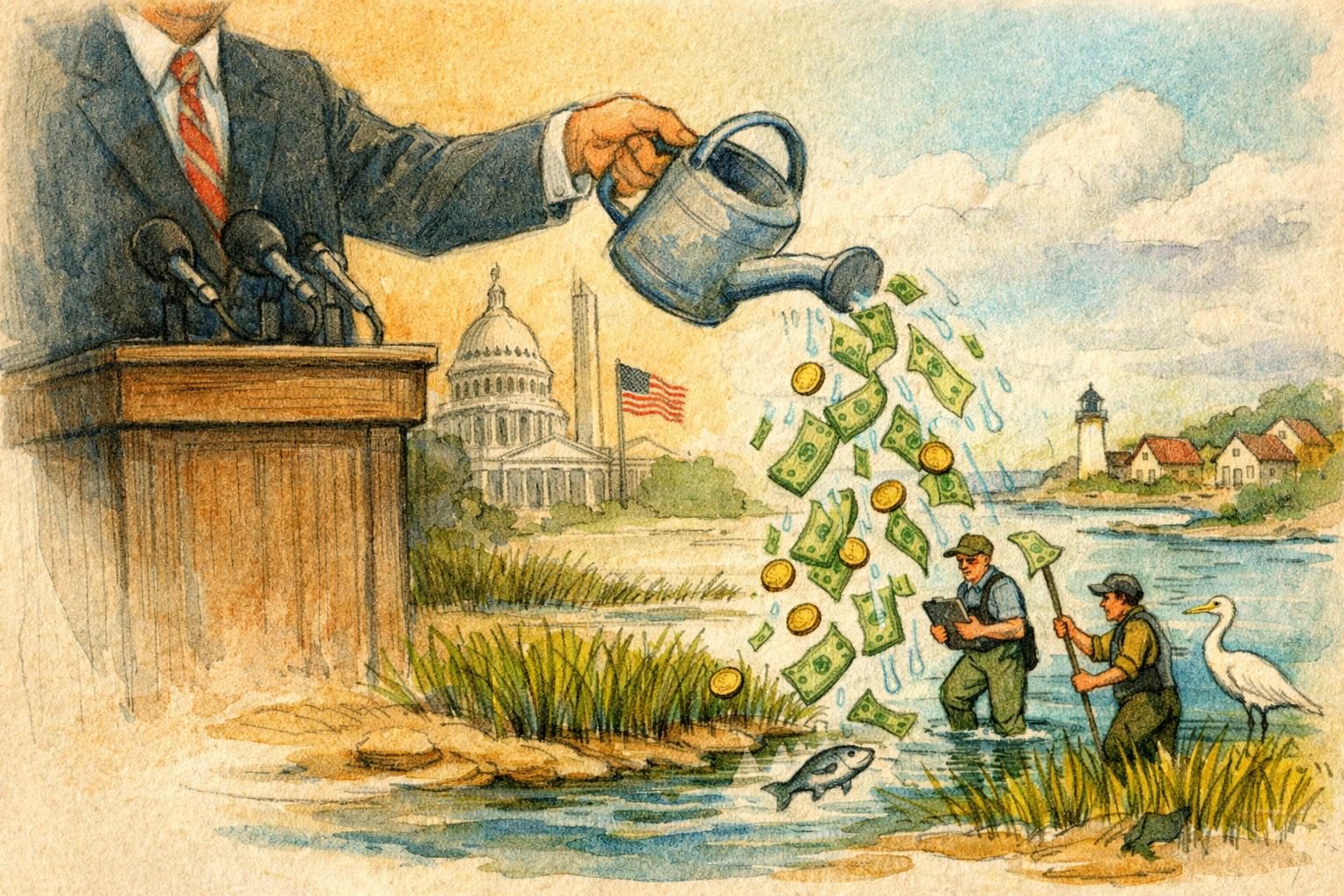
The Environmental Protection Agency said on October 20 that it is opening a new round of competitive grants worth about $5.3 million to support coastal watershed restoration in Southeast New England, a region where water quality, habitat protection, and shoreline resilience remain persistent concerns. The agency said the money is expected to be divided among roughly eight awards, with proposals due in December and the selected projects intended to advance restoration work in Rhode Island and Massachusetts. On its face, the announcement is straightforward: a federal environmental agency is putting money on the table for local projects that can improve estuaries, reduce pollution, and help communities better manage the pressures that come with development and climate stress. It is not the kind of move that will dominate the political conversation on its own, but it is a concrete spending decision that shows the agency is still able to direct resources toward place-based environmental work. In a Washington environment where many EPA decisions are viewed through a sharply partisan lens, even a relatively modest grant round can take on added significance.
The program matters because coastal watersheds are not abstract policy territory. They connect upstream land use, stormwater systems, wetlands, fisheries, drinking-water concerns, and local economies that depend on clean and stable shorelines. For towns and nonprofits in the region, a grant opportunity like this can be the difference between a project remaining a planning document and becoming a real construction or restoration effort. The funding can help support work that is often difficult for local governments to finance on their own, especially when the benefits are spread over years rather than visible in a single budget cycle. That includes projects aimed at reducing runoff, improving habitat, restoring ecological function, and strengthening the ability of communities to absorb flooding and other coastal impacts. In practical terms, the grant notice offers another channel for federal aid to flow into local environmental work at a time when many municipalities are juggling limited budgets and competing infrastructure demands. It also reinforces that, despite the noise around the administration’s broader environmental posture, the agency is still distributing targeted money for conventional conservation and restoration purposes.
At the same time, the announcement sits inside a larger political context that gives it a different feel than it might have in a quieter year. The administration’s environmental agenda has drawn criticism from advocates who see a pattern of aggressive deregulatory moves, climate skepticism, or recasting of pollution priorities, depending on the issue and the audience. Against that backdrop, a grant program focused on coastal restoration can look like a comparatively clean and constructive gesture, one that allows the agency to point to tangible local benefits without stepping into the more contentious fights that dominate national debate. But that does not make the grant round politically neutral. Environmental groups are likely to welcome the funding while also treating it as far too limited to offset the broader direction of federal policy. Local stakeholders, meanwhile, may see the notice as useful but insufficient, especially if they are watching other programs tighten, stall, or get reframed in ways that complicate long-term planning. The tension is part of the story: an agency can advertise a set of restoration grants as evidence of action, but credibility is harder to build when those same audiences are also weighing broader decisions on climate, pollution, and enforcement.
The next phase will be procedural rather than dramatic, but it still matters. Applicants now have to assemble proposals that fit the program’s requirements, and regional agencies, local governments, universities, and nonprofit organizations are likely to begin positioning projects for consideration before the December deadline. Depending on how the competition is structured, the awards could support a mix of planning, implementation, and on-the-ground restoration work, with the details ultimately shaped by the strongest submissions. For the White House and EPA leadership, the immediate upside is limited but real: a chance to highlight federal investment in clean water and coastal resilience in a region that has reason to value both. The downside is that every such announcement now arrives in an atmosphere where environmental policy is judged not just on the size of the check, but on the larger pattern of what the administration funds, weakens, or delays elsewhere. That means the grant round is likely to produce little controversy on its own, yet it still carries weight as a marker of federal priorities and as a source of direct local consequences for the communities competing for the money.
Comments
Threaded replies, voting, and reports are live. New users still go through screening on their first approved comments.
Log in to comment
No comments yet. Be the first reasonably on-topic person here.