
Fifth Circuit Issues Fresh Opinion in Zahid v. Blanche, Continuing the Courtroom Pressure on the Administration
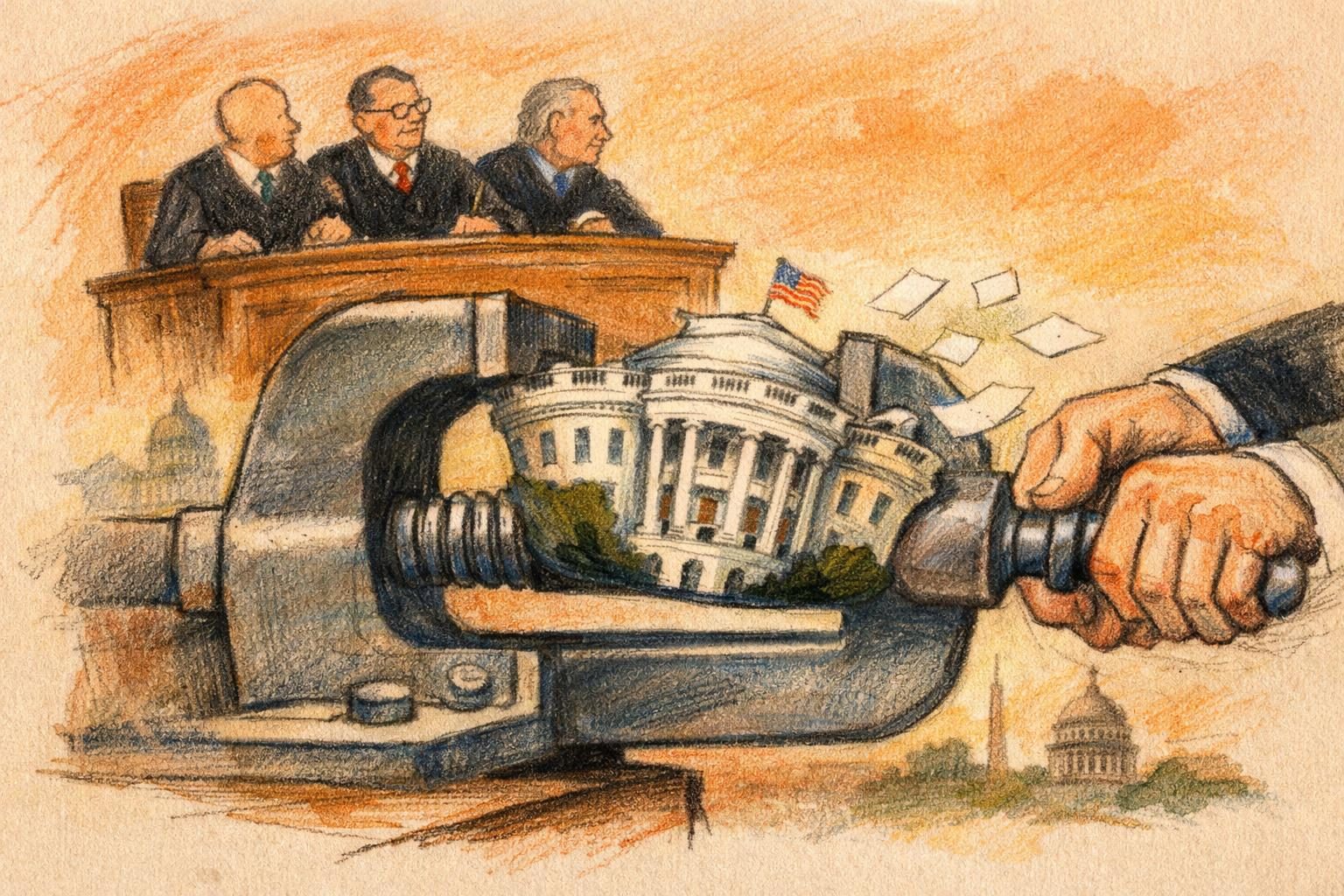
The Fifth Circuit added another live entry to the legal fight surrounding Zahid v. Blanche on October 20, posting a fresh published opinion that puts the case back in the category of active political and judicial news rather than stale docket clutter. Even without the full text in hand, the date alone matters. It signals that the dispute is still moving through a court known for scrutinizing federal power closely, and that the administration’s litigation footprint continues to generate consequential appellate action. In a normal political environment, a single docket update might remain buried in the background. In this one, it becomes part of the larger story about how often the federal government’s most ambitious actions are ending up before appellate judges.
That larger story is less about one isolated case than about the rhythm of governance itself. The administration has spent much of its time defending policies and enforcement choices in court, and the appellate process has become an extension of the political battlefield. When a federal appeals court issues a new opinion in a matter like Zahid v. Blanche, it is not simply resolving a technical question for the lawyers involved. It is also shaping the practical limits of executive authority in real time. That is especially true when the underlying conflict touches on detention, immigration, enforcement discretion, or the scope of federal power more broadly. The courts are being asked not just to interpret statutes and regulations, but to decide whether the executive branch’s preferred posture can survive sustained judicial review. That dynamic keeps turning legal calendar entries into political headlines.
The October 20 posting is significant even with limited detail because it confirms momentum, and momentum matters in appellate litigation. A published opinion means the court believed the case merited a public, citable resolution, which is itself a meaningful signal in a system where many disputes end in quieter procedural dispositions. The public does not need the full merits analysis to understand the broader implication: this is another instance of the judiciary actively engaging the administration’s agenda. For observers tracking the separation-of-powers debate, that means the pressure is not hypothetical or deferred. It is happening now, through actual rulings, actual briefs, and actual appellate scrutiny. The docket entry also shows how a single case can become part of a wider pattern in which federal litigation is no longer an occasional check on government action, but a routine feature of governing. When the courts keep producing new opinions in politically charged disputes, they are effectively participating in the day-to-day administration of conflict between branches.
That is why this kind of development deserves attention even when the substantive opinion text is not immediately available. The procedural fact of a new decision can tell you something important about the state of the fight. It suggests the issue remains unresolved, contested, and important enough to keep advancing through the appellate pipeline. It also reinforces the sense that the administration is operating in a legal environment where major policy choices are likely to be challenged, narrowed, or reversed before they ever settle into stability. In that sense, the judicial calendar is no longer a secondary reference point. It is part of the governing timeline. The political significance comes from the repetition itself: another case, another opinion, another reminder that the administration’s legal agenda keeps producing appellate fallout. Until the full opinion is available, the safest reading is limited but clear. The court has acted, the case remains live, and the broader pattern of judicial resistance or correction is still unfolding in public view.
Comments
Threaded replies, voting, and reports are live. New users still go through screening on their first approved comments.
Log in to comment
No comments yet. Be the first reasonably on-topic person here.