
Ramaswamy took ownership of an attack ad featuring Amy Acton’s mother
Evidence and accountability
Accountable person, organization or policy: Vivek Ramaswamy campaign
Documented issue under review: The campaign produced and promoted an ad centered on Amy Acton’s estranged mother, drawing bipartisan criticism for an overly personal attack.
This report has an independent editorial fact-audit recorded in the archive. Check the linked source documents below for the underlying evidence; where a case remains pending, allegations are not findings.
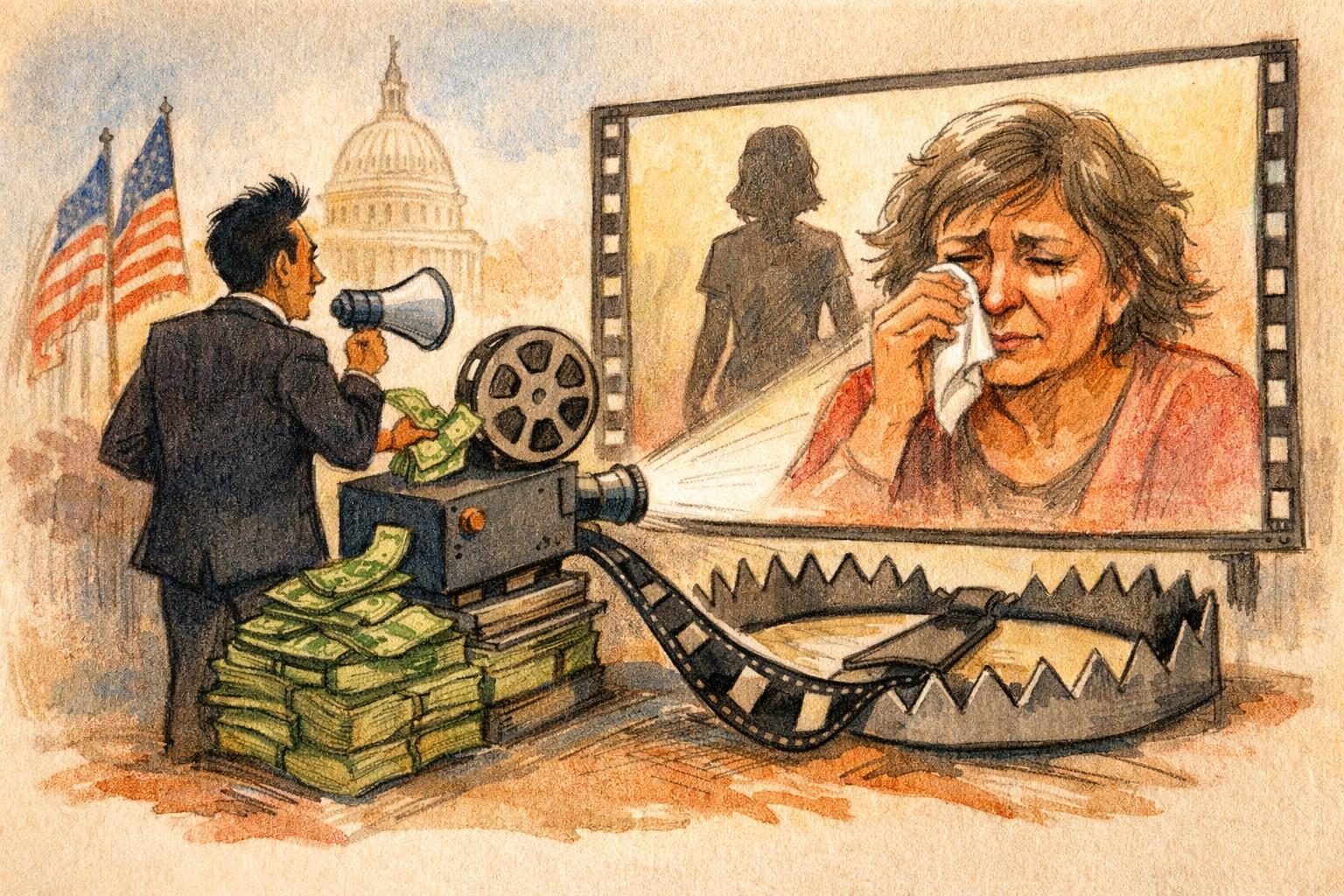
Vivek Ramaswamy’s campaign has turned an otherwise familiar kind of attack-ad fight into a sharper test of political restraint. According to reporting from AP on Oct. 20, 2026, his team produced and endorsed an advertisement built around Amy Acton’s estranged mother, Donna Arthur, and said it planned to spend millions of dollars promoting it. The ad does not attack Acton through a policy dispute or a routine contrast on experience. Instead, it places a painful family conflict at the center of the message and uses it to cast doubt on the Democratic candidate’s credibility. That choice immediately raised questions not about legality, but about judgment, boundaries, and what kind of campaign Ramaswamy wants to run. In an election season already defined by hard-edged messaging, this ad stands out because it relies on a deeply personal grievance as the main political device. AP’s account makes clear that the campaign not only created the spot, but also chose to stand behind it even after backlash began.
The ad’s most striking feature is the voice of Arthur, who is shown calling Acton “a liar” and making an insinuation about mental-health issues. That detail matters because it shifts the argument away from public record and into family estrangement, a line that can be legally permissible but politically explosive. AP reported that the reaction was swift and bipartisan, suggesting that the criticism was not limited to Acton’s supporters or to one side of the partisan divide. In other words, the dispute was not simply about whether the ad was effective, but whether it crossed a line that voters expect campaigns not to cross. The fact that the ad first circulated on social media before becoming a larger controversy also shaped the reaction, since the campaign did not control the initial spread or the first wave of commentary. Still, once the ad gained attention, Ramaswamy’s team did not back away from it. Instead, it owned the decision and said it would continue investing heavily to promote the message. That response turned the story from a viral flare-up into a clearer demonstration of campaign strategy.
Supporters of the ad are likely to argue that hardball politics is part of modern campaigning and that a candidate’s family history can become relevant if it reflects on character. That defense is not new, and it may appeal to voters who think campaigns should be willing to say unpleasant things if they believe those claims are true or politically useful. But the AP report suggests that the campaign has not offered a fuller public explanation for why a private family conflict deserves such a prominent role in a paid political attack. The issue is not whether the ad contains factual material from a real family dispute; the issue is how the campaign chose to package that material and what it says about the standards it is willing to accept. A candidate can argue that a rival’s personal history matters, yet still face criticism for using an estranged relative as the messenger. That is especially true when the campaign is reportedly preparing to spend $4 million to amplify the spot. The size of that investment signals that this was not a one-off misfire or a stray online provocation. It was a deliberate communications choice.
For Ramaswamy, the broader significance is less about one ad than about what it reveals in practice about his political brand. He has run as an outsider and as a combative figure willing to unsettle conventional expectations, and the ad fits that posture in a blunt way. But outsider politics also invites scrutiny over whether the willingness to break norms is merely tactical or reflects a deeper disregard for the limits that usually shape campaign conduct. In this case, AP’s reporting shows a campaign that made a conscious decision to lean into a family wound rather than keep the race focused on issues, records, or governing differences. That is why the episode has become a matter of accountability rather than just messaging. Voters are left to judge whether the ad shows candor and toughness, or whether it shows a readiness to exploit intimate pain for political gain. Even without evidence of any illegal conduct, the controversy gives a clear picture of the campaign’s methods. It suggests that the race is likely to be fought with personal attacks that are as much about characterizing the candidate behind them as the opponent they target. For a campaign trying to project strength, the ad may have accomplished that in the narrowest sense. But it has also invited a broader question about the line between aggressive politics and the exploitation of private grief, and that question is now part of the story Ramaswamy has chosen to own.
Comments
Threaded replies, voting, and reports are live. New users still go through screening on their first approved comments.
Log in to comment
No comments yet. Be the first reasonably on-topic person here.