
Social Security says it just corrected tens of millions of records in its number database
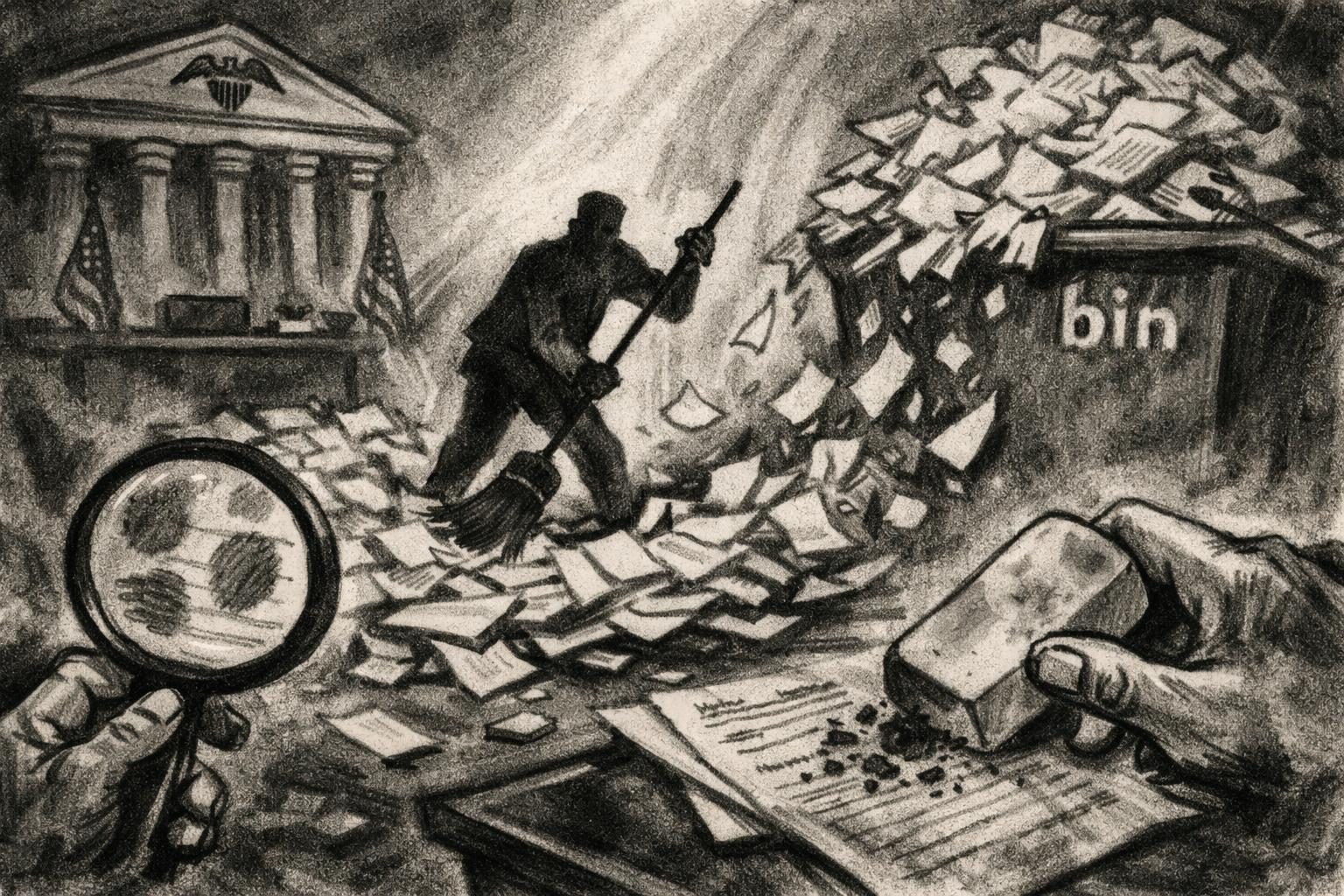
The Social Security Administration said this week that it has corrected tens of millions of files in its Social Security number database, describing the work as an integrity cleanup in one of the federal government’s most consequential records systems. The scale alone makes the announcement stand out. This was not presented as a minor maintenance update or a narrow technical patch. It was a broad correction effort touching a database that underpins benefits administration, identity verification, wage reporting, and a long list of other government functions that depend on accurate records. When an agency that central sits in the nation’s administrative machinery says it has just repaired tens of millions of entries, the message is not merely about software. It is about how much modern government depends on the quiet reliability of data that most people never think about until something goes wrong.
The agency’s framing suggests the work was aimed at record integrity rather than at changing policy or introducing a new program. That distinction matters, because a cleanup of this size implies that the problem was not cosmetic. Social Security records are used to match people to earnings histories, support retirement and disability claims, and help other agencies confirm identity and eligibility. If those files were inaccurate, incomplete, duplicated, or otherwise inconsistent, the consequences could range from small administrative delays to more serious errors in benefits processing and fraud screening. The agency has not, based on the information it has released, laid out every detail of what went wrong or how long the issue existed. But the fact that the correction was large enough to merit a public notice points to a problem that was significant enough to affect confidence in the database itself. In that sense, the announcement is as much about governance as it is about technology. It says something important about the state of the federal recordkeeping system, even if it does not yet spell out every technical cause behind the fix.
Politically, the episode lands in awkward territory for an administration that would prefer to project competence in the basic mechanics of government. Clean data is not a glamorous promise, but it is one of the quiet foundations of public trust. When a core system like Social Security requires this much correction, it invites obvious questions about oversight, maintenance, and how long the problems had been allowed to accumulate. Lawmakers who pay close attention to federal operations are likely to want a fuller accounting of what exactly was corrected, whether any beneficiaries were affected, and whether other systems that rely on the same data may need their own review. There is also the unavoidable question of whether the database errors were discovered through routine internal checks, through an audit, or through some broader modernization effort. The answer matters because each scenario suggests something different about the government’s ability to catch and fix its own mistakes before they become more costly. Even if the cleanup ultimately strengthens the system, the public disclosure itself creates a credibility problem that will not disappear simply because the records were repaired.
The more immediate consequences are likely to be administrative, but the political fallout could still grow. Agency officials may be asked to explain how the errors developed, what categories of files were affected, and whether the corrections change any eligibility determinations, audit findings, or fraud-detection outcomes. If the agency can show that the work improved the accuracy of the database without disrupting benefits, that would help limit the damage. But if the cleanup exposes broader weaknesses in how federal identity data are maintained, it could fuel a larger debate about the fragility of government information systems and the risks that come with relying on them for everything from benefit claims to interagency verification. The underlying story here is not a dramatic policy fight or a partisan announcement. It is something more basic and, in some ways, more unsettling: a reminder that even the most important public systems can carry errors for a long time before anyone outside the agency is told. And once that reality is exposed, the question is no longer just what was fixed. It is how much else in the government’s data infrastructure might still need the same kind of hard, unglamorous cleanup.
Comments
Threaded replies, voting, and reports are live. New users still go through screening on their first approved comments.
Log in to comment
No comments yet. Be the first reasonably on-topic person here.