
Minnesota says federal authorities stopped sharing evidence in Good and Pretti killings probe
Permanent article number: 102326002 Find another article by number
Evidence and accountability
Accountable person, organization or policy: Trump administration
Documented issue under review: Minnesota officials say the administration stopped sharing evidence in a killings probe, slowing a state investigation and creating a documented transparency and cooperation failure.
This report has an independent editorial fact-audit recorded in the archive. Check the linked source documents below for the underlying evidence; where a case remains pending, allegations are not findings.
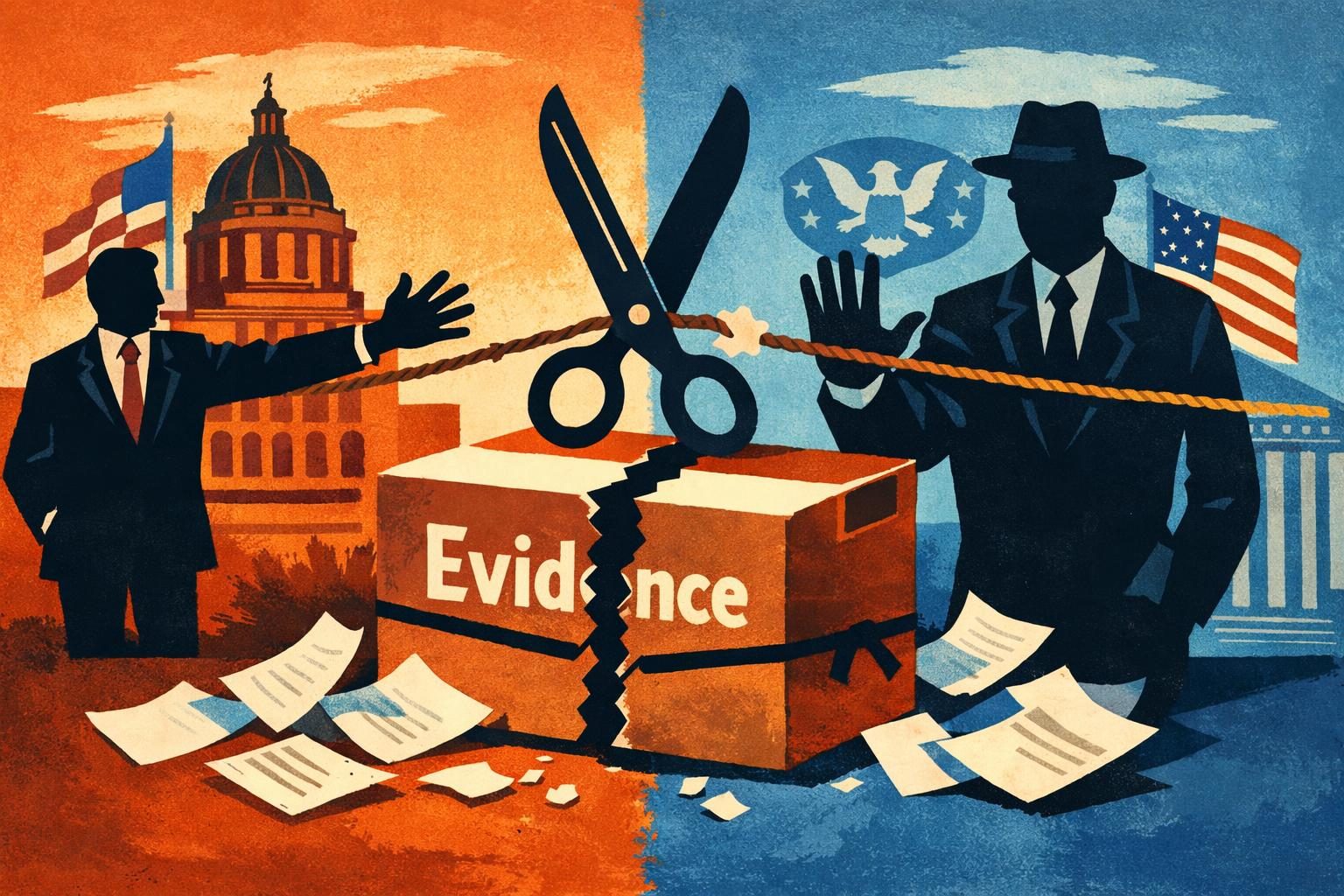
Minnesota investigators have told a court that federal authorities stopped sharing evidence in the probe into the deaths of Renee Good and Alex Pretti, creating a new flashpoint in a case already marked by conflict over who gets to investigate what happened. The state’s complaint says the federal side had been cooperating earlier in the case and later cut off access to material Minnesota officials say they need to continue their work.
The factual dispute is narrow but consequential. Minnesota officials are not just asking for a jurisdictional ruling; they are saying the loss of access to evidence has slowed their inquiry and left them without information they believe is relevant to the deaths. That claim is documented in court filings and contemporaneous reporting. It does not, by itself, establish that a court has found illegality, concealment, or obstruction by federal officials.
The federal government’s position, as reflected in the reporting, is that state prosecutors do not have authority to investigate federal officers in the way Minnesota is attempting to do. That argument addresses legal power over the case, not the separate question of whether evidence should continue to be shared. The result is a procedural standoff: one side says it needs the records to examine two deaths, while the other side disputes the state’s role in the investigation.
What is clear from the filings and coverage is that the evidence flow changed. Earlier cooperation gave way to a cutoff, and Minnesota is now using that shift as part of its case for access. What remains unresolved is why the transfer stopped, whether it will resume, and how far state authorities can go in pursuing the facts without federal cooperation. Those questions will matter both for the legal fight and for any eventual public accounting of the deaths.
Comments
Read the discussion freely. Posting and voting require a verified member account. Every comment and reply is screened by AI before publication. Clear spam and abuse are blocked; only strongly cleared comments publish automatically, while uncertain drafts wait for moderator review. Civil factual disagreement alone is not grounds for rejection.
Log in to comment or join free to take part.
No comments yet. Be the first reasonably on-topic person here.