
DOJ arrest in leak case opens court process, but the allegations are still just allegations
Permanent article number: 102426013 Find another article by number
Original article being examined
Published by: U.S. Department of Justice
Claim examined: The Justice Department arrested a government contractor on October 23, 2026, in connection with allegedly leaking national defense information.
Original reporting and source documents
Open the reporting and original documents used for this article. These include evidence sources; not every link is necessarily the original claim being examined.
Evidence and accountability
Accountable person, organization or policy: Trump Justice Department
Documented issue under review: A new federal arrest underscores the administration’s claim that it is aggressively policing national-security leaks, but the underlying accusation remains unproven pending court proceedings.
This report has an independent editorial fact-audit recorded in the archive. Check the linked source documents below for the underlying evidence; where a case remains pending, allegations are not findings.
Questions sent by Radical Reading Room
These requests have a recorded outbound message ID and send time. A request for comment does not establish that its recipient read the message.
U.S. Department of Justice — Public professional press contact
Question: What specific national defense information is alleged to have been unlawfully transmitted by Ian A. Brinksman?
Contacted: October 25, 2026 at 1:44 PM (server time).
Status: Response pending; no substantive response recorded.
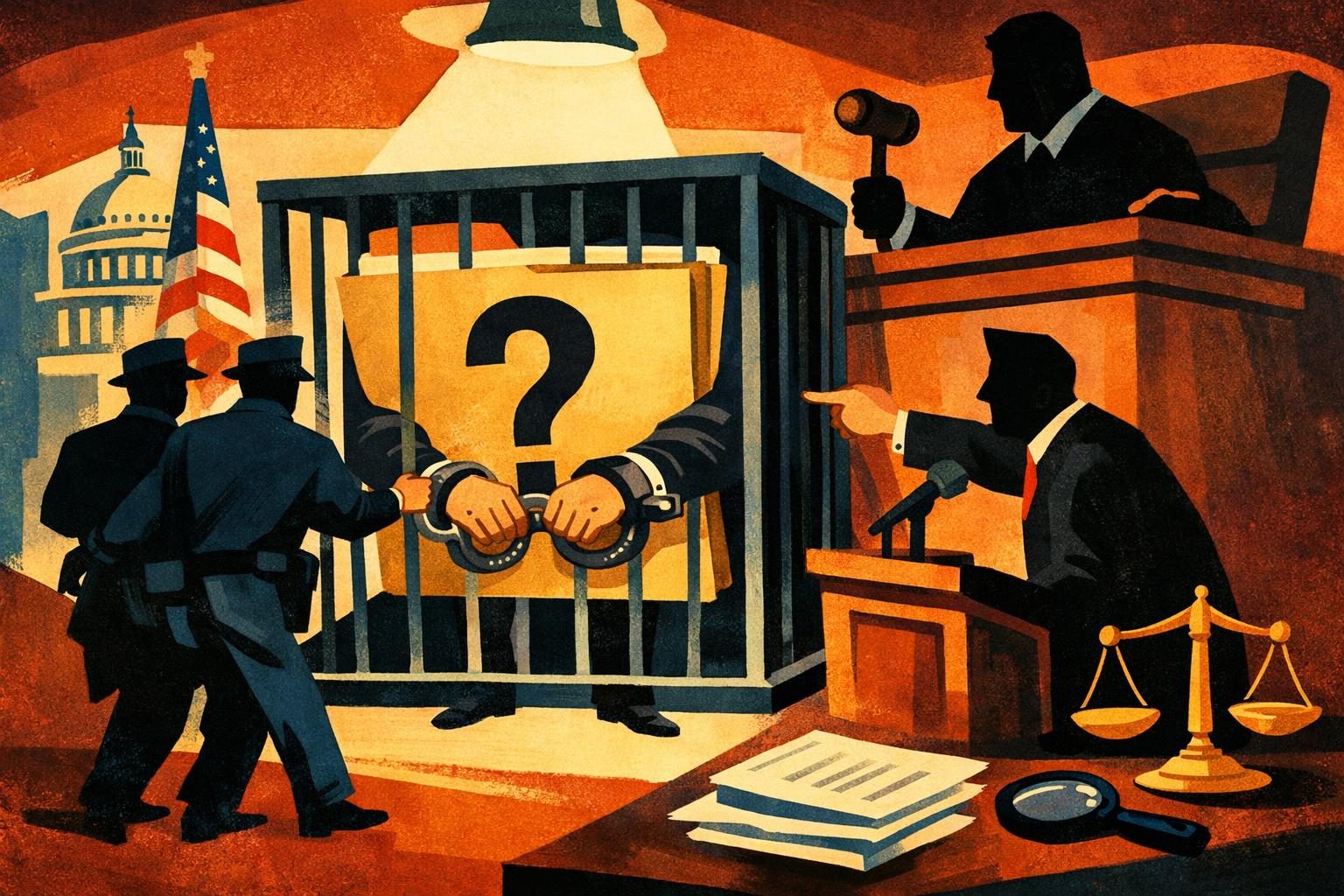
The first verified fact in the Ian A. Brinksman case is a federal arrest on Oct. 23, 2026. In a press release that day, the Justice Department said Brinksman was taken into custody and charged by criminal complaint with unlawfully transmitting national defense information. The department also posted the supporting filing, which lays out the government’s version of events and the basis for the criminal case now pending in federal court.
That record matters because it shows what has and has not happened so far. Prosecutors have made an accusation serious enough to justify an arrest and a complaint, but the complaint is still an accusation, not a verdict. At this stage, the public evidence consists of the government’s sworn allegations and the attached affidavit materials, not a judicial finding that the conduct occurred as described.
The practical significance is limited but real: Brinksman now faces a federal prosecution, and the case can move forward through the normal steps of criminal procedure. But the arrest announcement does not answer the central questions that will matter if the case continues — what information was allegedly sent, how prosecutors say it was transmitted, what proof they have of intent, and what a defense challenge does to the government’s theory.
So the cleanest reading of the record is narrower than the headline splash around it. The Justice Department has initiated a national-security leak case and put its allegation on paper. It has not yet obtained a conviction, and the complaint itself does not establish wrongdoing. Until a court resolves the charge or the case is otherwise disposed of, the verified story is one of accusation, not proven offense.
Comments
Read the discussion freely. Posting and voting require a verified member account. Every comment and reply is screened by AI before publication. Clear spam and abuse are blocked; only strongly cleared comments publish automatically, while uncertain drafts wait for moderator review. Civil factual disagreement alone is not grounds for rejection.
Log in to comment or join free to take part.
No comments yet. Be the first reasonably on-topic person here.