
Grand Jury Rejects Indictment of Cassidy Hutchinson in Jan. 6 Case
Permanent article number: 102726043 Find another article by number
Original article being examined
Published by: NBC News — Top Stories
Original reporting and source documents
Open the reporting and original documents used for this article. These include evidence sources; not every link is necessarily the original claim being examined.
Evidence and accountability
Archive transparency: this article has not yet completed the site's newer independent fact-audit process. Its source links are provided below. Do not treat allegations, commentary, or a rating as a legal finding.
Questions sent by Radical Reading Room
These requests have a recorded outbound message ID and send time. A request for comment does not establish that its recipient read the message.
U.S. Department of Justice — Public professional press contact
Question: What specific evidence and witness testimonies did the federal grand jury review when deciding to reject the indictment of Cassidy Hutchinson?
Contacted: October 27, 2026 at 11:32 PM (server time).
Status: Response pending; no substantive response recorded.
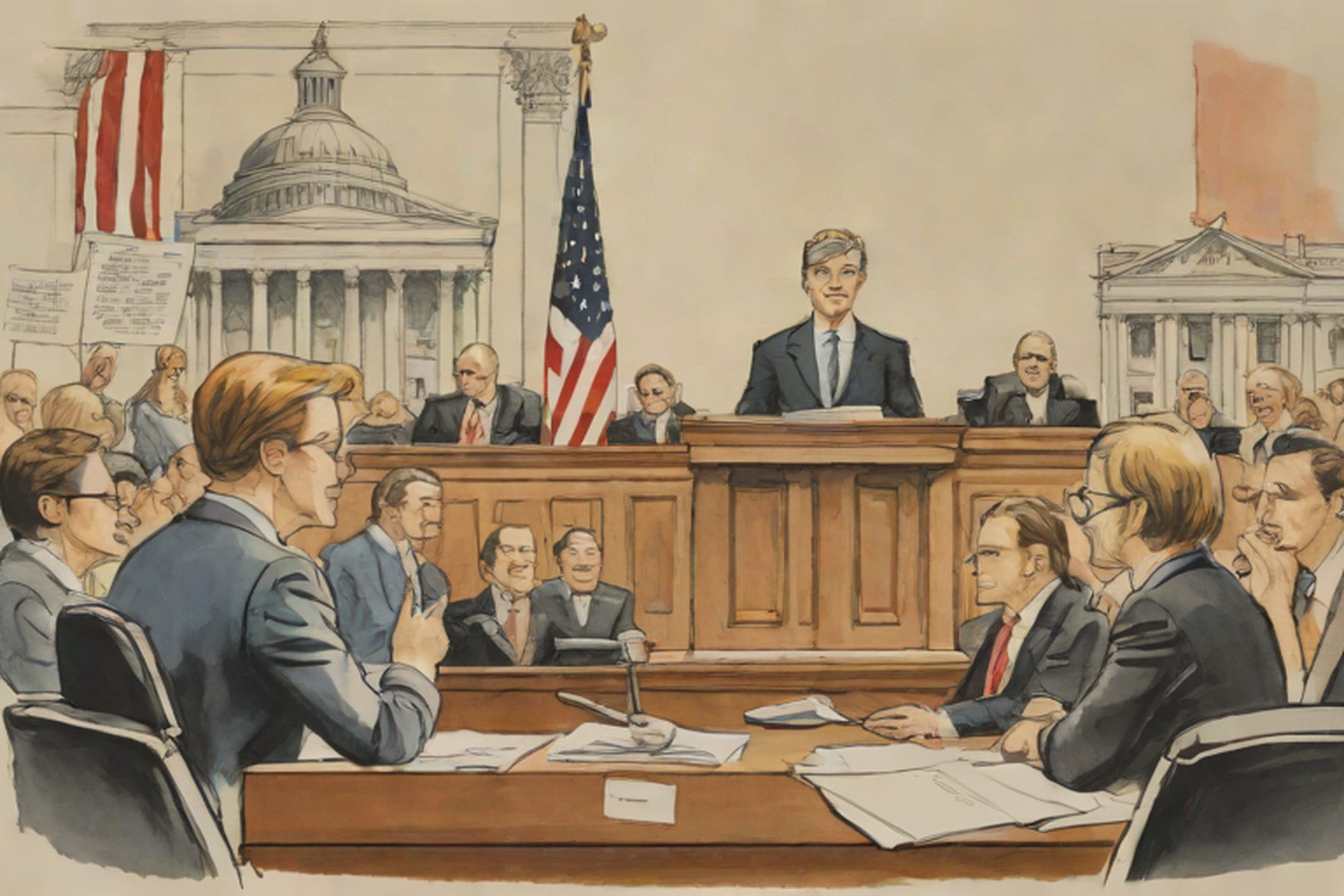
On October 27, 2026, a federal grand jury in Washington, D.C., declined to indict Cassidy Hutchinson, a former White House aide and key witness in the investigation of the Jan. 6, 2021, Capitol riot. The decision, confirmed by a senior U.S. official, marks the latest in a series of denials by grand juries in cases involving individuals Trump has labeled as political adversaries.
The grand jury's rejection of the Justice Department's attempt to secure an indictment means that the case will not proceed to trial, though the DOJ may attempt to charge Hutchinson again in the future. The decision was based on the evidence presented by the Civil Rights Division, which is responsible for enforcing federal civil rights and anti-discrimination laws. The failure to secure an indictment has sparked debate among lawmakers and within the DOJ, with some arguing that the case was politically motivated.
The grand jury's decision does not preclude future legal action, and the DOJ may choose to pursue charges against Hutchinson in a different capacity. Trump has called Hutchinson a 'scam artist' and suggested she should be prosecuted, a stance that has drawn criticism from some lawmakers. The case has been a focal point of controversy, with Trump himself calling Hutchinson a 'scam artist' and suggesting she should be prosecuted.
The decision underscores the complexities of legal proceedings and the role of grand juries in determining criminal charges. The grand jury's refusal to indict Hutchinson does not bar the DOJ from attempting to charge her again in the future. The decision highlights the challenges of proving criminal intent in cases involving political figures and the role of grand juries in determining whether there is sufficient evidence to proceed to trial.
The grand jury's decision to reject the indictment is based on the evidence presented by the DOJ, which included testimony from Hutchinson and other witnesses.
Comments
Read the discussion freely. Posting and voting require a verified member account. Every comment and reply is screened by AI before publication. Clear spam and abuse are blocked; only strongly cleared comments publish automatically, while uncertain drafts wait for moderator review. Civil factual disagreement alone is not grounds for rejection.
Log in to comment or join free to take part.
No comments yet. Be the first reasonably on-topic person here.